
Why Human Connection Becomes a Health Priority in Later Life
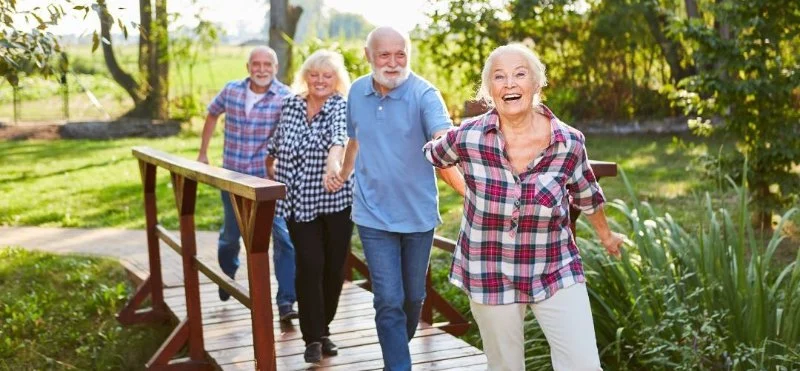
As people age, health conversations often focus on medications, mobility, and diet. Yet one factor quietly shapes overall well-being just as strongly—human connection. The Importance of Socialization in Senior Care goes far beyond casual companionship. It directly influences emotional stability, cognitive health, and even physical longevity.
In many senior communities across the United States, caregivers have observed a clear pattern: seniors who maintain regular social interaction tend to recover faster from illness, show fewer signs of depression, and remain more mentally engaged. Social interaction is not simply “nice to have”—it is a core component of aging well.
- section-focus-connection-between-social-life-and-aging-health - emotional and cognitive well-being improves with interaction
- section-focus-social-isolation-risks - loneliness can accelerate mental and physical decline
- section-focus-care-environment-impact - structured care settings enhance engagement opportunities
How Social Isolation Affects Senior Mental and Physical Health
One of the most overlooked health risks for older adults is prolonged isolation. Research consistently shows that loneliness can increase the risk of dementia, heart disease, and depression. When seniors withdraw from social life, their cognitive stimulation decreases, leading to slower mental processing and memory decline.
A caregiver in Ohio once shared the story of an 82-year-old retired teacher who moved into assisted living after living alone for years. Within weeks of joining group activities, she began participating in book clubs again, regained her appetite, and showed improved sleep patterns. The change was not due to medication—it was due to renewed connection.
Such real-world experiences highlight how senior mental health is deeply tied to interaction, routine conversation, and emotional bonding.

Telfair Home Health Care
GlendaleLos Angeles CountyCalifornia
1545 N Verdugo Rd Ste 101 B, Glendale, CA 91208, USA
The Science Behind Social Engagement and Cognitive Health
Neuroscience research suggests that social interaction stimulates multiple regions of the brain simultaneously. Conversations, shared activities, and even simple greetings activate memory, language, and emotional processing centers.
This stimulation helps slow cognitive decline and supports long-term brain resilience. Seniors who regularly engage in discussions, group games, or community events tend to show stronger memory retention compared to those who remain isolated.
Senior wellness programs often integrate structured social activities specifically for this reason. These programs are designed not just for entertainment but for cognitive preservation and emotional balance.
Courage Homecare Cooperative, LLC
Los AngelesLos Angeles CountyCalifornia
153 Glendale Blvd 1st Floor, Los Angeles, CA 90026, USA
Real-Life Impact: A Family Story of Transformation
A family in Texas once struggled with their father’s declining mood after retirement. He spent most of his days alone watching television. Over time, his family noticed increased irritability and forgetfulness.
After enrolling him in a home care program that emphasized socialization in senior care, his routine changed. He began attending weekly community lunches, participating in light exercise groups, and engaging in storytelling sessions with peers.
Within months, his mood improved significantly. He began remembering daily tasks more easily and even started volunteering at a local community center. This transformation demonstrated how aging support systems that include social engagement can dramatically improve quality of life.
The Role of Caregivers in Encouraging Daily Interaction
Caregivers play a central role in fostering connection. Beyond assisting with physical needs, they help create opportunities for meaningful interaction. Simple actions such as encouraging conversation during meals or facilitating group hobbies can make a major difference.
In professional home care for seniors, caregivers are trained to recognize early signs of isolation. These may include reduced speech, withdrawal from activities, or changes in mood. Addressing these signs early can prevent more serious mental health issues.
Organizations like HomeCare Hub help families find tailored support services that prioritize both physical care and emotional well-being, ensuring seniors remain socially active in safe and structured environments.
Community Programs That Strengthen Senior Wellness
Across the U.S., senior centers and wellness programs are evolving. Instead of focusing only on physical health, many now integrate art therapy, group fitness, music sessions, and digital literacy workshops.
These initiatives are designed to encourage interaction and reduce loneliness in elderly populations. Seniors who participate regularly often report higher life satisfaction and a stronger sense of purpose.
One trending example is intergenerational programs where seniors interact with younger volunteers. These programs create mutual learning opportunities and help bridge generational gaps while strengthening emotional bonds.
Why Family Involvement Still Matters the Most
Even with professional care systems in place, family involvement remains one of the strongest protective factors for senior well-being. Regular phone calls, visits, or shared meals reinforce emotional security and belonging.
Many seniors say that even short, consistent interactions with loved ones have a greater emotional impact than occasional long visits. Consistency builds trust, comfort, and emotional stability.
Families who actively participate in their loved ones’ routines often notice improved mood, better sleep, and increased motivation in seniors.
Designing a Lifestyle That Encourages Meaningful Connection
Creating a socially rich environment for seniors does not require complex systems. It begins with small, intentional choices—encouraging hobbies, supporting participation in group activities, and ensuring regular communication.
Senior wellness programs that prioritize emotional and social engagement tend to produce better long-term outcomes. Whether at home or in assisted living environments, connection must be treated as a daily necessity rather than an occasional activity.
When seniors feel seen, heard, and included, their overall health improves in measurable ways. The Importance of Socialization in Senior Care is not just a concept—it is a lived reality that shapes dignity and quality of life in aging populations.




 Montrose Home Healthcare5.0 (3 reviews)
 DNA Home Health Services, Inc.5.0 (3 reviews)
 Guardian Angels Home care5.0 (17 reviews)
 Ideal Choice Home Health5.0 (7 reviews)
 Neighborhood Life Care Services, LLC.5.0 (5 reviews)
 Premier Senior Care, LLC0.0 (0 reviews)
 The Role of Music Therapy in Dementia Care: Enhancing Cognitive and Emotional Well-Being
 Understanding the Emotional Impact of Caregiving
 How to Encourage Older Adults to Participate in Family and Community Events
 How to Maximize Your Health Insurance Benefits for Home Care
 The Impact of Smart Home Technology on Senior Living: Enhancing Comfort and Safety
 Ideas for Creating a Comfortable and Stimulating Living Environment for Seniors