
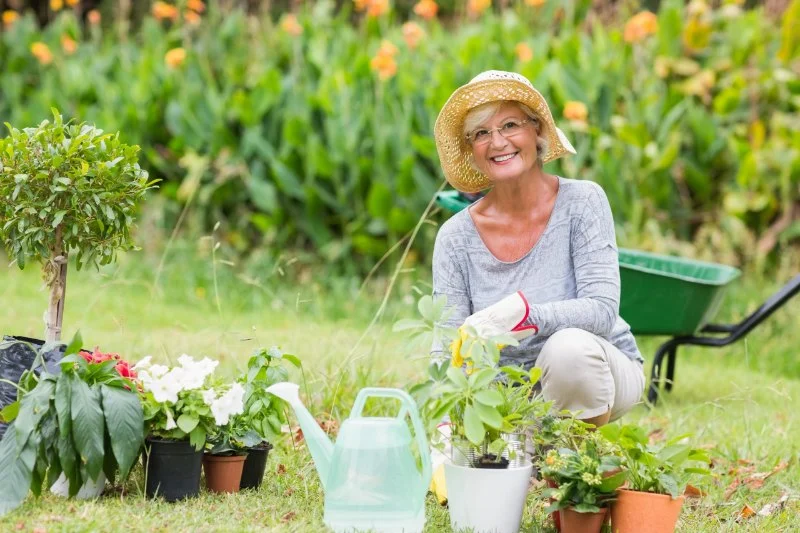
- therapeutic-value-of-gardening - emotional and physical benefits overview
- how-gardening-supports-body-health - mobility, strength, and endurance
- mental-health-and-gardening - stress reduction and cognitive stimulation
- safe-gardening-for-seniors - injury prevention and accessibility
- tools-and-adaptations - raised beds, lightweight tools, seating options
- seasonal-planting-and-routines - structure and routine building
- real-life-senior-gardening-stories - community and personal experiences
- social-aspects-of-gardening - group gardens and community bonding
- gardening-as-lifelong-wellness-tool - long-term engagement strategies
1. Therapeutic Value of Gardening
Gardening has long been recognized as more than just a hobby. For older adults, it becomes a deeply therapeutic activity that connects the mind, body, and environment. Engaging in gardening for seniors supports emotional balance, reduces feelings of isolation, and encourages a sense of purpose through nurturing living plants.

1.1 Emotional Grounding Through Nature
Spending time outdoors among plants helps regulate stress hormones and encourages calmness. Many seniors describe gardening as a “quiet therapy” that provides emotional grounding during difficult life transitions such as retirement or loss of routine.

2. How Gardening Supports Body Health
2.1 Gentle Physical Activity for Mobility
Gardening naturally incorporates bending, stretching, lifting light objects, and walking short distances. These movements improve flexibility and support joint mobility without the intensity of structured workouts, making it an ideal form of physical activity for elderly individuals.
2.2 Strength and Endurance Development
Tasks such as digging soil, watering plants, or carrying small containers build functional strength. Over time, these repeated motions improve muscle endurance and help maintain independence in daily life activities.
3. Mental Health and Cognitive Benefits
3.1 Stress Reduction and Relaxation
Gardening has been shown to lower cortisol levels, which directly reduces stress. The rhythmic nature of planting, watering, and pruning creates a meditative effect that calms the nervous system.
3.2 Cognitive Stimulation
Planning a garden layout, remembering watering schedules, and learning about plant care all stimulate cognitive activity. These tasks support memory retention and may help slow cognitive decline in older adults.
4. Safe Gardening for Seniors
4.1 Preventing Strain and Injury
Older adults should avoid prolonged bending or lifting heavy soil bags. Using supportive tools and maintaining proper posture reduces the risk of back and joint strain.
4.2 Creating Accessible Garden Spaces
Raised garden beds, container gardening, and wheelchair-accessible paths allow seniors with mobility limitations to participate safely and comfortably.
4.3 Hydration and Sun Protection
Spending time outdoors requires attention to hydration and sun safety. Wearing hats, applying sunscreen, and taking regular breaks are essential practices for maintaining wellness during gardening sessions.
5. Tools and Adaptations for Easier Gardening
5.1 Ergonomic Gardening Tools
Lightweight tools with padded grips reduce hand strain and make gardening more comfortable for seniors with arthritis or reduced grip strength.
5.2 Seating and Support Options
Portable garden stools and kneeling benches help reduce fatigue and allow seniors to work at comfortable angles without overexertion.
5.3 Smart Watering Systems
Drip irrigation systems or self-watering planters reduce physical effort while ensuring plants remain healthy and well-maintained.
6. Seasonal Planting and Daily Structure
6.1 Establishing a Healthy Routine
Gardening introduces structure into daily life. Planning seasonal planting schedules helps seniors maintain consistency, which is beneficial for mental stability and emotional well-being.
6.2 Anticipation and Purpose
Watching plants grow over time creates anticipation and gives seniors a sense of responsibility. This contributes to improved mood and a renewed sense of purpose.
7. Real-Life Senior Gardening Stories
One example is Margaret, a 74-year-old retired nurse who began gardening after experiencing loneliness following retirement. She started with a few potted herbs on her balcony and gradually expanded to a small vegetable garden. Over time, she reported improved mobility, better mood, and a stronger daily routine.
Another story comes from Robert, 79, who joined a community garden project. Initially hesitant due to knee pain, he used raised beds and ergonomic tools recommended through HomeCare Hub resources. Within months, he became one of the most active members, contributing not only to gardening tasks but also to mentoring new participants.
8. Social and Community Benefits
8.1 Reducing Isolation
Community gardening brings older adults together, creating opportunities for conversation, teamwork, and shared purpose. This social interaction is essential for emotional health and combating loneliness.
8.2 Intergenerational Engagement
Gardens often attract younger volunteers, allowing seniors to share knowledge and experience while staying socially engaged across generations.
9. Gardening as a Lifelong Wellness Tool
9.1 Sustainable Wellness Habit
Unlike structured exercise programs that may feel intimidating, gardening integrates naturally into daily life. It becomes a sustainable wellness practice that supports both physical and emotional health long-term.
9.2 Combining Nature and Independence
By staying active through gardening, older adults maintain independence while enjoying meaningful interaction with nature. This combination supports dignity, confidence, and overall quality of life.





 Cor Meum Home Health Care5.0 (2 reviews)
 Aletheia Home Care0.0 (0 reviews)
 Senior Helpers5.0 (14 reviews)
 Maxim Healthcare Gardena, CA Regional Office4.0 (48 reviews)
 Rachel's Quality Home, Inc.0.0 (0 reviews)
 Peace & Harmony Home Health Care Inc.5.0 (1 reviews)
 How to Support Seniors Who Want to Maintain Independence at Home
 The Importance of Encouraging Curiosity and Lifelong Learning in Older Adults
 How to Make Physical and Cognitive Exercises a Fun Daily Habit
 Choosing Between Home Care and Assisted Living: What’s Best for Your Loved One?
 How to Make Daily Hygiene Routines More Comfortable and Respectful
 Tips for Managing Chronic Conditions at Home