

- 1 - Understanding-Cultural-Competence
- 2 - Why-Cultural-Competence-Matters-in-Home-Care
- 3 - Key-Elements-of-Cultural-Competence
- 4 - Training-and-Education-for-Caregivers
- 5 - Impact-on-Patient-Satisfaction-and-Outcomes
- 6 - Practical-Tips-for-Implementing-Cultural-Competence
- 7 - Common-Challenges-and-How-to-Overcome-Them
- 8 - Examples-and-Real-Life-Case-Studies
- 9 - Integrating-Cultural-Competence-with-HomeCare-Hub-Resources
- 10 - Future-Trends-in-Home-Care-Cultural-Awareness
1. Understanding Cultural Competence
Cultural competence refers to the ability of caregivers to understand, communicate with, and effectively interact with patients across diverse cultural backgrounds. In home care, this means recognizing and respecting differences in values, beliefs, traditions, and communication styles, and adapting care accordingly to meet individual patient needs.

Rainbow Home Care Services, Inc.
Santa AnaOrange CountyCalifornia
1560 Brookhollow Dr, Santa Ana, CA 92705, USA
1.1 Core Components
It involves awareness of one’s own cultural perspective, knowledge of other cultures, and the skills to provide care that aligns with the patient’s cultural values. Home care agencies can foster cultural competence by providing training, guidelines, and resources to caregivers.

Always Best Care Senior Services - Home Care Services in Pasadena
ArcadiaLos Angeles CountyCalifornia
425 N Santa Anita Ave a, Arcadia, CA 91006, USA
2. Why Cultural Competence Matters in Home Care
Cultural competence directly impacts the quality of care and patient satisfaction. Patients feel more respected, understood, and comfortable when their caregivers are culturally sensitive, which can lead to improved adherence to care plans and better health outcomes.
2.1 Enhancing Communication
Effective communication is key. Understanding language preferences, non-verbal cues, and cultural norms reduces misunderstandings and fosters trust between patients and caregivers.
2.2 Reducing Health Disparities
Culturally competent care helps bridge gaps in healthcare access and treatment outcomes among diverse populations.
3. Key Elements of Cultural Competence
- Self-awareness and reflection on personal biases
- Knowledge of diverse cultural practices and health beliefs
- Effective communication strategies
- Adaptation of care plans to align with cultural needs
- Ongoing learning and training
4. Training and Education for Caregivers
Caregivers can develop cultural competence through structured education, workshops, and hands-on experiences. Topics often include:
- Cross-cultural communication
- Understanding social determinants of health
- Patient-centered care approaches
- Conflict resolution in multicultural contexts
- Use of interpreters and culturally relevant materials
5. Impact on Patient Satisfaction and Outcomes
Research shows that culturally competent care improves patient engagement, adherence, and satisfaction. Patients are more likely to follow treatment regimens and report better overall well-being when care is delivered in a culturally sensitive manner.
6. Practical Tips for Implementing Cultural Competence
- Ask patients about their cultural preferences and respect their choices.
- Incorporate cultural considerations into care plans.
- Use culturally appropriate educational materials.
- Encourage ongoing dialogue and feedback from patients.
- Train caregivers regularly on cultural sensitivity and awareness.
7. Common Challenges and How to Overcome Them
Challenges include language barriers, unconscious bias, and unfamiliarity with cultural practices. Overcoming these requires:
- Providing interpreter services and translated materials.
- Conducting bias-awareness training.
- Collaborating with community leaders and cultural liaisons.
- Encouraging flexibility and openness in care approaches.
8. Examples and Real-Life Case Studies
Case studies highlight how cultural competence improves outcomes:
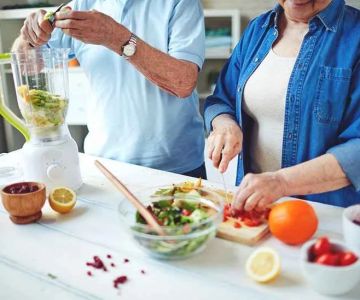
- A caregiver adapted meal plans to align with religious dietary restrictions, resulting in increased patient satisfaction and better nutrition.
- Home care teams that acknowledged traditional healing practices were able to integrate them safely with conventional care, building patient trust.
9. Integrating Cultural Competence with HomeCare Hub Resources
HomeCare Hub offers tools and resources for caregivers to enhance cultural competence. This includes training modules, patient education materials, and culturally specific care guides to help caregivers provide inclusive and respectful home care services.
10. Future Trends in Home Care Cultural Awareness
With an increasingly diverse population, home care providers will continue to prioritize cultural competence. Innovations may include AI-assisted translation services, virtual training platforms, and personalized care plans that integrate cultural preferences seamlessly into care routines. Embracing cultural competence ensures that home care remains patient-centered, effective, and inclusive for all communities.



 Fairhaven Home healthcare5.0 (2 reviews)
 Ayanna Cares3.0 (2 reviews)
 HOME CARE PARTNER INC5.0 (10 reviews)
 Una HOME CARE0.0 (0 reviews)
 FIRST TOUCH HOME HEALTH CARE INC3.0 (3 reviews)
 D'Best Care Home Care & Staffing0.0 (0 reviews)
 Strategies for Creating Safe Outdoor Spaces That Encourage Activity
 How to Use Positive Reinforcement to Support Healthy Habits in Seniors
 The Importance of Encouraging Curiosity and Lifelong Learning in Older Adults
 How to Encourage Seniors to Maintain Social Connections Virtually
 Tips for Encouraging Creative Expression Through Music, Art, and Writing
 Success Story: Managing Dementia at Home with Compassion and Care