
- 1. Why Regular Health Check-Ups Are Crucial for Seniors
- 2. Common Health Issues in Seniors
- 3. Benefits of Regular Health Check-Ups for Seniors
- 4. What to Expect During a Senior Health Check-Up
- 5. How HomeCare Services Can Assist in Health Monitoring
1. Why Regular Health Check-Ups Are Crucial for Seniors
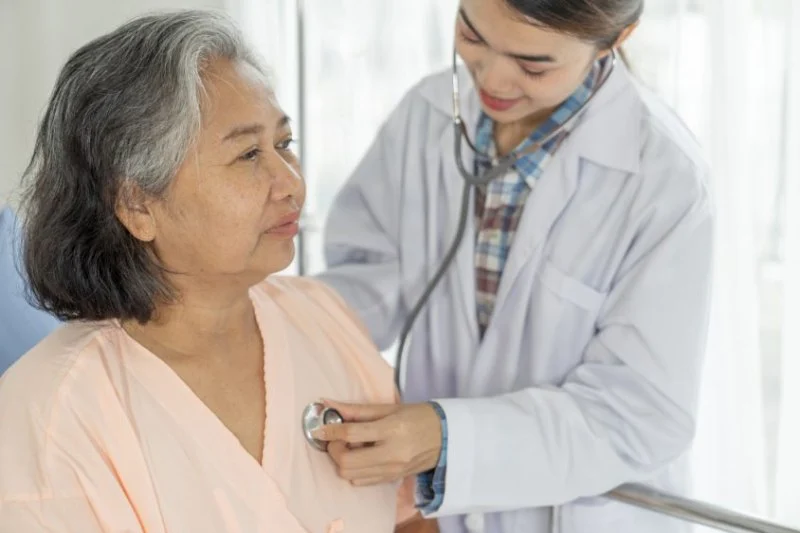
As we age, our bodies naturally undergo a variety of changes. For seniors, these changes can sometimes lead to health conditions that develop without noticeable symptoms. Regular health check-ups are vital for seniors as they help detect potential issues early, before they become serious health risks. Health exams give doctors the chance to monitor ongoing conditions, adjust treatments, and catch problems that may otherwise go unnoticed.
Moreover, regular check-ups also provide an opportunity for seniors to discuss any concerns or symptoms they may be experiencing. This ensures that they receive timely care and advice, improving their overall health and quality of life. Regular check-ups are an essential part of preventive healthcare, allowing for early detection, prevention, and personalized treatment plans.

Origins Home Health Care
Buena ParkOrange CountyCalifornia
7242 Orangethorpe Ave, Buena Park, CA 90621, USA
2. Common Health Issues in Seniors
There are several health issues that commonly affect seniors, many of which can be managed or treated if detected early through regular health check-ups. Some of the most common health issues include:

1. Cardiovascular Diseases
Heart disease and hypertension are prevalent in older adults. Regular check-ups allow doctors to monitor blood pressure, cholesterol levels, and heart function. Early detection and management of cardiovascular issues can prevent strokes, heart attacks, and other serious complications.
2. Diabetes
As seniors are at an increased risk for type 2 diabetes, routine blood sugar checks are crucial. Diabetes can lead to numerous complications, including kidney disease, nerve damage, and vision problems. Catching it early allows for better management and fewer long-term health issues.
3. Arthritis
Arthritis, including osteoarthritis, is another common condition among seniors that can severely affect mobility and quality of life. Early diagnosis through physical exams and joint health assessments can help manage symptoms and prevent further deterioration.
4. Osteoporosis
Osteoporosis, characterized by weakened bones, is particularly common among older women. Regular check-ups can include bone density testing to assess the risk of fractures and implement preventive measures to protect bone health.
5. Mental Health Concerns
Mental health is just as important as physical health. Depression, anxiety, and cognitive decline are more common in older adults. Regular visits to a healthcare provider can help identify early signs of mental health issues and ensure that appropriate treatment is provided.
3. Benefits of Regular Health Check-Ups for Seniors
Regular health check-ups offer numerous benefits for seniors, not only for their immediate health but also for long-term well-being. Here are the key advantages:
1. Early Detection of Health Problems
One of the primary benefits of regular health check-ups is the early detection of health issues. By visiting the doctor routinely, seniors can catch potential problems before they become serious. Early intervention often leads to better outcomes, including fewer complications and faster recovery times.
2. Better Management of Chronic Conditions
Many seniors live with chronic conditions such as diabetes, arthritis, or heart disease. Regular check-ups provide ongoing monitoring, allowing healthcare providers to adjust treatment plans and medications. This helps seniors manage their conditions more effectively and maintain their quality of life.
3. Preventive Healthcare
Routine exams help prevent diseases or conditions from developing or worsening. Vaccinations, screenings (like mammograms, colonoscopies, and eye exams), and lifestyle advice are integral to maintaining health as we age. Preventive measures reduce the likelihood of major health issues down the road.
4. Mental Health Monitoring
As mental health can decline with age, regular check-ups are important for monitoring cognitive health and addressing any issues such as depression, anxiety, or memory loss. Seniors can receive counseling, medication, or referrals to specialists, improving their emotional well-being.
5. Improved Overall Well-Being
When seniors visit their healthcare providers regularly, they feel more confident about their health. Regular exams ensure that they are on top of their health needs, reducing stress and promoting peace of mind. These appointments also foster open communication between seniors and their doctors, enhancing their overall care experience.
4. What to Expect During a Senior Health Check-Up
A senior health check-up typically includes a comprehensive physical exam, lifestyle assessment, and various screenings. Here's a breakdown of what to expect:
1. Physical Examination
Your doctor will conduct a thorough examination to assess general health, checking vital signs such as blood pressure, heart rate, and temperature. The exam may also involve checking reflexes, joint flexibility, and overall mobility.
2. Blood Tests
Blood tests are often used to check for cholesterol levels, blood sugar levels, and other markers that can indicate the presence of underlying health issues. These tests provide valuable insights into how your body is functioning and if there are any areas of concern.
3. Health Screenings
Depending on the senior’s age and medical history, the doctor may recommend various screenings, such as mammograms, colonoscopies, or bone density tests. These screenings help detect early signs of cancer, osteoporosis, and other conditions common in seniors.
4. Mental Health Assessment
As part of the check-up, mental health is also assessed. Your doctor may ask questions about mood, memory, and stress levels to identify any signs of mental health issues. Early detection is key in addressing conditions like depression or dementia.
5. How HomeCare Services Can Assist in Health Monitoring
For seniors who require additional assistance, homecare services can play a vital role in health monitoring. These services provide support in managing medical conditions, administering medications, and ensuring that regular health check-ups are attended to. Homecare professionals can also track important health metrics, such as blood pressure, and assist with mobility and daily tasks.
Many homecare agencies collaborate with healthcare providers to ensure that seniors receive consistent and personalized care. These services can be particularly beneficial for those with chronic conditions, memory issues, or limited mobility, as they offer a convenient and comfortable way to stay on top of health needs at home.
For more information on senior health care, including homecare services and health monitoring tools, visit HomeCare Hub to explore expert recommendations and services tailored to your needs.






 Grace Affordable Senior Care5.0 (1 reviews)
 Narvista Home Health agency5.0 (7 reviews)
 Comfort Paradise Home Care Agency5.0 (26 reviews)
 Titanium Healthcare5.0 (1 reviews)
 VIP Home Care Services0.0 (0 reviews)
 Garden Ville Home Care5.0 (2 reviews)
 The Role of Technology in Enhancing Senior Care
 How to Support Seniors in Maintaining Independence During Daily Tasks
 How Technology is Improving Medication Management for Seniors
 Ideas for Creating a Comfortable and Stimulating Living Environment for Seniors
 What to Expect from In-Home Care Services
 How to Encourage Safe Physical Activity Through Simple Home Exercises