
Home Care Leftovers: Label, Chill, Reheat, and Hand Off Safely
On this page
Quick answer
Label home-care leftovers with the food name, preparation or opening date and time, who prepared it, important ingredients or dietary notes, and the planned use-by or freeze date. Refrigerate perishable food within 2 hours, or within 1 hour when exposed to temperatures above 90°F. Keep the refrigerator at 40°F or below, use most leftovers within 3 to 4 days, and reheat leftovers to 165°F measured with a food thermometer.
Follow the person's clinician-directed diet, swallowing plan, allergy plan, fluid or sodium limits, and care-agency policy. A safe temperature does not make the wrong texture or ingredient appropriate.

Silver Star Home Health, Inc.
Los AngelesLos Angeles CountyCalifornia
3171 Los Feliz Blvd suite 200 f, Los Angeles, CA 90039, USA
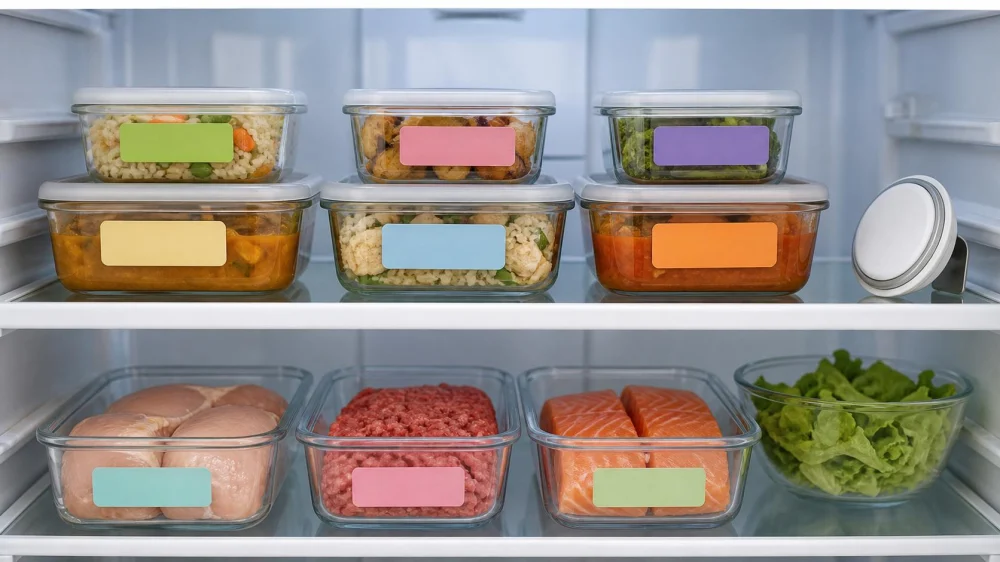
Use a complete leftover label
A label should let the next caregiver make a decision without guessing. Write it when food is packed, not later from memory. Use an agreed date format and include time when the 2-hour cooling window matters.
- Plain food or dish name
- Date and time cooked, opened, or delivered
- Preparer or source
- Known allergens and care-plan restrictions
- Texture modification, if prescribed
- Use-by, freeze, or discard date based on official guidance
Never copy an allergen or texture claim unless it has been verified.

Cool and refrigerate promptly
Divide large amounts into shallow containers so they cool quickly. Cover or seal food and place it in the refrigerator promptly; USDA states that hot food can go directly into the refrigerator when portioned appropriately. Do not leave a large pot on the counter to cool for hours.
- Start the clock when cooking or hot holding ends.
- Portion into clean shallow containers.
- Seal and label each container.
- Refrigerate within the applicable time limit.
- Record any delay or temperature concern for the next caregiver.
Organize the refrigerator for handoffs
Create one visible leftover zone and place older safe items toward the front without overpacking the refrigerator. Keep raw food contained and separated from ready-to-eat food. Use an appliance thermometer and record out-of-range temperatures according to the care plan.
At shift change, identify food prepared, thawing, nearing discard, reserved for another person, or not suitable for the care recipient.
Reheat with a thermometer
USDA advises reheating leftovers to 165°F. Cover and rotate microwave-heated food, allow the stated standing time, and check several places because cold spots occur. Bring sauces, soups, and gravies to a rolling boil as official guidance directs.
Use a clean food thermometer according to its instructions. Do not judge safety only by steam, color, or a hot container. Protect the person from burns and confirm any required serving-temperature limit.
Serve for the person's care plan
Verify identity, meal plan, allergies, prescribed texture, and assistance needs before serving. Do not improvise thinning, thickening, chopping, or blending when a swallowing plan specifies a method. Offer a modest portion and return unused refrigerated food promptly rather than leaving the full container out.
Record intake only when required, using the care plan's method.
Discard uncertainty, not just spoilage
Harmful bacteria may not change smell, taste, or appearance. Discard perishable food when time or temperature history is unknown, the label conflicts with the handoff, the seal failed, contamination is possible, or official storage time has passed. Never taste food to test whether it is safe.
When in doubt, follow agency policy and discard rather than relabeling with a new date.
Important limitations
This is general U.S. home food-safety guidance, not individualized medical, nutrition, swallowing, or infection-control advice. Some people face higher foodborne-illness risk or follow stricter clinical plans. Local rules and agency policies may be more restrictive.
Evidence notes
USDA and FDA guidance supports refrigeration within 2 hours, a 1-hour limit above 90°F, refrigerator temperature at or below 40°F, 3 to 4 days for most leftovers, shallow-container cooling, and reheating to 165°F. The label and handoff fields make those limits usable across caregivers.
FAQ
Can hot leftovers go directly into the refrigerator?
USDA says yes; divide large amounts into shallow containers for faster cooling.
How long do leftovers stay in the refrigerator?
Most cooked leftovers are 3 to 4 days at 40°F or below, though specific foods and care plans may differ.
Is a smell test enough?
No. Unsafe food may look and smell normal.
What temperature should leftovers reach?
USDA recommends 165°F, checked with a food thermometer.
Can I change the date when I move food to another container?
No. Preserve the original preparation or opening time and applicable discard date.
Next steps
Create a standard label, check the refrigerator thermometer, designate a leftover zone, and add food status to the caregiver handoff. Discard any current container whose time, temperature, ingredients, or owner cannot be verified.





 Home Care Providers4.0 (24 reviews)
 TheKey - Senior Home Care5.0 (15 reviews)
 St. Luke's Home Health Services Inc.5.0 (2 reviews)
 Joyful Hearts Home Care0.0 (0 reviews)
 Optimal Senior Care Solutions5.0 (5 reviews)
 Bridges Home Health Care, Inc.0.0 (0 reviews)
 Strategies for Supporting Older Adults Through Transitions in Care
 Tips for Improving Senior Nutrition Without Complicating Meal Prep
 Top 10 Relaxing Hobbies to Start in Your Golden Years
 Tips for Helping Seniors Maintain Healthy Eating and Hydration Habits
 How to Encourage Older Adults to Stay Socially Active Indoors
 How to Support Older Adults in Developing a Balanced Daily Schedule | HomeCare Hub