
- - Understanding Aromatherapy in Senior Care
- - Physical Health Benefits of Aromatherapy
- - Mental and Emotional Benefits
- - Common Essential Oils and Their Uses
- - Safe Application Practices for Seniors
- - Integrating Aromatherapy into Home Care
- - Real-Life Examples of Successful Aromatherapy Use
- - Challenges and How to Address Them
- - Professional Guidance and Support
- - How HomeCare Hub Supports Aromatherapy in Senior Care
Understanding Aromatherapy in Senior Care
Aromatherapy is the therapeutic use of essential oils extracted from plants, flowers, and herbs to promote physical, mental, and emotional well-being. In senior care, it is increasingly recognized as a complementary therapy that can enhance overall quality of life. Unlike conventional medications, aromatherapy offers a natural approach to support mood, sleep, stress management, and physical comfort without invasive procedures.
For seniors, the sense of smell is closely linked to memory and emotion, making aromatherapy particularly effective. Specific scents can evoke positive memories, reduce agitation in individuals with cognitive impairments, and provide a soothing environment. By integrating aromatherapy into daily routines, caregivers can create a calming atmosphere that supports both the elderly and their family members.
TheKey - Senior Home Care
TorranceLos Angeles CountyCalifornia
2377 Crenshaw Blvd Suite 315 B, Torrance, CA 90501, USA
Physical Health Benefits of Aromatherapy
1. Pain Relief
Many essential oils, such as lavender, peppermint, and eucalyptus, have properties that can reduce discomfort related to arthritis, muscle soreness, or tension headaches. Regular application through massage or diffusion can complement prescribed pain management strategies.

Centurion Home Health Care, Inc.
Los AngelesLos Angeles CountyCalifornia
15130 Ventura Blvd Suite 203, Sherman Oaks, CA 91403, USA
2. Improved Sleep
Aromatherapy can play a significant role in enhancing sleep quality. Lavender, chamomile, and sandalwood are commonly used to promote relaxation before bedtime. Seniors experiencing insomnia or disrupted sleep patterns often benefit from a calming nighttime routine involving these scents.
3. Respiratory Support
Certain essential oils like eucalyptus and peppermint can help clear nasal passages and support breathing, which is particularly beneficial for seniors with mild respiratory issues or seasonal allergies. Diffusion in the home environment can aid comfort without causing irritation.
Mental and Emotional Benefits
1. Stress Reduction
Aromatherapy has been shown to reduce cortisol levels and promote relaxation. Oils such as bergamot, ylang-ylang, and geranium can help lower anxiety and foster a sense of calm, which is vital for seniors dealing with emotional stress or adjusting to new living environments.
2. Cognitive Support
Scents like rosemary and peppermint have been linked to improved focus and memory. Incorporating these aromas into daily routines can stimulate cognitive engagement and help maintain mental sharpness in aging adults.
3. Mood Enhancement
Certain essential oils are associated with uplifting mood and emotional well-being. Citrus oils, including orange and lemon, provide an energizing effect, while lavender and chamomile promote relaxation and contentment. Using these aromas strategically can enhance the overall emotional climate in senior care settings.
Common Essential Oils and Their Uses
When choosing essential oils for seniors, it is essential to select those that are gentle, safe, and effective. Commonly used oils include:
- Lavender: Promotes relaxation, improves sleep, reduces anxiety
- Peppermint: Supports alertness, eases headaches, aids digestion
- Chamomile: Calms nervousness, improves sleep quality
- Eucalyptus: Supports respiratory health, reduces congestion
- Rosemary: Enhances memory, mental clarity
- Citrus oils (lemon, orange): Uplifts mood, energizes
Safe Application Practices for Seniors
While aromatherapy is generally safe, seniors may have sensitive skin or respiratory conditions that require careful use. Safe practices include:
1. Diffusion
Using an essential oil diffuser provides gentle inhalation without direct skin contact, reducing the risk of irritation or allergic reactions.
2. Dilution for Topical Use
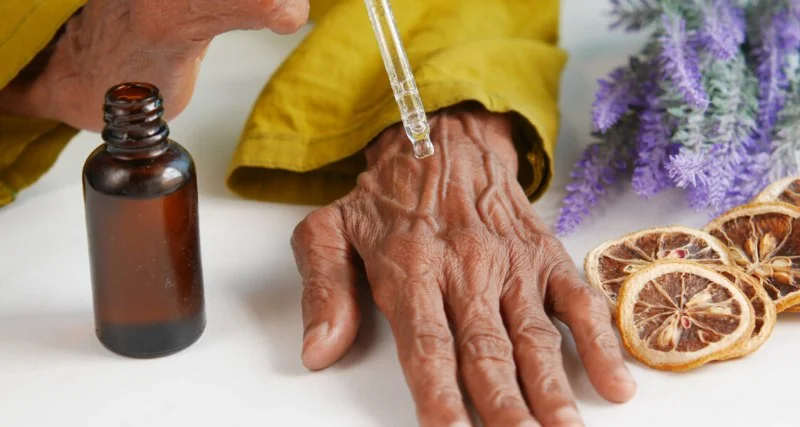
If applying oils to the skin, always dilute them with a carrier oil such as coconut or jojoba oil. Patch tests are recommended to ensure no adverse reactions occur.
3. Avoiding Ingestion
Essential oils should never be ingested unless prescribed and supervised by a healthcare professional, as this can be harmful.
4. Consulting Healthcare Providers
Before integrating aromatherapy into senior care, consult with doctors or licensed aromatherapists, especially if the individual has chronic illnesses, takes medications, or has respiratory conditions.
Integrating Aromatherapy into Home Care
Aromatherapy can easily be incorporated into home care routines to enhance comfort and well-being. Some practical strategies include:
- Adding a diffuser to the living room or bedroom to create a calming environment
- Including essential oils in massage sessions to support relaxation and circulation
- Combining aromatherapy with other wellness practices, such as gentle stretching or meditation
- Using scent-based reminders for hydration, movement, or medication routines
Home care providers can tailor aromatherapy to match individual preferences, ensuring that the therapy feels personal, enjoyable, and effective.
Real-Life Examples of Successful Aromatherapy Use
Case Study: Helen
Helen, an 86-year-old with mild dementia, often experienced agitation in the evenings. Her caregiver introduced lavender and chamomile diffusers in her bedroom. Over several weeks, Helen showed a noticeable reduction in restlessness, and her sleep quality improved, demonstrating how personalized aromatherapy can support mental and emotional health.
Case Study: Robert
Robert, a 79-year-old recovering from surgery, struggled with anxiety and mild insomnia. Daily inhalation of a blend of lavender and bergamot oils, combined with light evening stretches, helped him relax and improved both his sleep and overall mood.
Challenges and How to Address Them
Allergic Reactions
Seniors may have increased sensitivity to scents. Conducting a patch test and monitoring for irritation can prevent adverse reactions.
Overpowering Scents
Some essential oils can be strong and may trigger headaches or nausea. Start with low concentrations and gradually adjust to a comfortable level.
Consistency
For optimal results, aromatherapy should be used consistently. Integrating it into daily routines helps seniors experience the full benefits over time.
Professional Guidance and Support
Certified aromatherapists and experienced home care professionals can provide valuable guidance in selecting oils, creating blends, and ensuring safe usage. Professional advice ensures that aromatherapy complements existing medical treatments and is tailored to the individual’s unique needs.
How HomeCare Hub Supports Aromatherapy in Senior Care
HomeCare Hub offers comprehensive resources for families and caregivers interested in integrating aromatherapy into senior care. From product recommendations to expert advice on safe use and personalized routines, HomeCare Hub helps caregivers make informed choices that enhance comfort, well-being, and quality of life for seniors. By exploring these resources, families can implement aromatherapy in a safe, effective, and meaningful way.
Incorporating the benefits of aromatherapy in senior care is more than just using pleasant scents—it is about enhancing overall wellness, supporting mental health, improving sleep, and creating a nurturing environment that respects individual preferences. With thoughtful planning, safe practices, and consistent application, aromatherapy can become a valuable component of holistic home care strategies.


 Salus Homecare4.0 (31 reviews)
 Mela Home health5.0 (18 reviews)
 Miracle Home Health Care, Inc4.0 (396 reviews)
 Emily’s Home Health Care, Inc.5.0 (4 reviews)
 Inspirations Home Care0.0 (0 reviews)
 Right at Home4.0 (15 reviews)
 Creative Art Projects That Stimulate Cognitive Function and Emotional Well-Being
 How to Make Home Bathrooms Safer and More Comfortable for Seniors
 Practical Home Modifications That Can Reduce Fall Risks for Seniors
 Strategies for Creating a Balanced Daily Routine That Supports Health, Happiness, and Independence
 How to Maintain Proper Hygiene and Comfort for Seniors in Home Care
 The Importance of Encouraging Curiosity and Lifelong Learning in Older Adults