
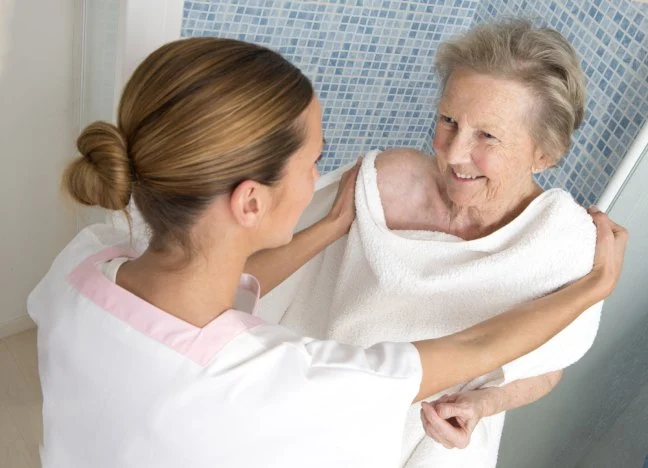
- 1. Introduction to Senior Hygiene and Comfort in Home Care
- 2. Key Considerations for Maintaining Proper Hygiene for Seniors
- 3. Creating a Comfortable Environment for Seniors in Home Care
- 4. The Role of Caregivers in Promoting Hygiene and Comfort
- 5. Helpful Tips and Resources for Senior Hygiene and Comfort
1. Introduction to Senior Hygiene and Comfort in Home Care
Maintaining proper hygiene and comfort for seniors in home care is essential to ensuring their overall well-being and quality of life. As individuals age, they may encounter challenges with mobility, memory, and personal care, which makes it crucial to create a supportive and hygienic living environment. This article will explore key strategies and tips for maintaining hygiene and comfort for seniors in home care, ensuring that they live with dignity and ease.
By paying attention to the unique needs of seniors, caregivers can help prevent health complications, enhance their comfort, and provide a safe environment. Whether you're a professional caregiver or a family member taking on the caregiving role, understanding the proper approach to hygiene and comfort is essential for the well-being of the elderly.

Visiting Angels
Los AngelesLos Angeles CountyCalifornia
16600 Sherman Way # 278, Van Nuys, CA 91406, USA
2. Key Considerations for Maintaining Proper Hygiene for Seniors
Hygiene is fundamental to a senior's health, as poor hygiene can lead to infections, skin irritations, and other complications. As seniors often experience difficulty with personal care, it is vital to provide the right support to maintain cleanliness and comfort.

Senior Helpers of Cerritos
ArtesiaLos Angeles CountyCalifornia
17510 Pioneer Blvd #205, Artesia, CA 90701, USA
Bathing and Grooming
Bathing is one of the most common challenges faced by elderly individuals, particularly those with mobility issues or chronic conditions. It’s important to establish a routine that respects the senior’s comfort level, whether that means bathing daily or every other day. Some seniors may prefer sponge baths or quick showers instead of full baths.
Use non-slip mats in the shower and ensure that grab bars are in place for safety. Caregivers should help with washing and drying areas that are hard to reach, such as the back, feet, and hair. For seniors with limited mobility, consider using handheld showerheads for easier access.
Oral Hygiene
Proper oral hygiene is crucial, as poor oral care can lead to gum disease, tooth decay, and other health problems. Seniors with arthritis or dementia may have trouble brushing their teeth, so caregivers should assist with this task. It's important to choose the right toothbrush—one that is easy to grip—and toothpaste that is suitable for sensitive teeth.
Additionally, dentures need to be cleaned daily, and it’s essential to ensure they fit well to prevent discomfort or infections.
Incontinence Care
For seniors dealing with incontinence, maintaining hygiene is especially critical to prevent skin breakdown and infections. Frequent changing of incontinence pads, washing with gentle products, and applying barrier creams can prevent discomfort and promote skin health.
3. Creating a Comfortable Environment for Seniors in Home Care
Comfort in the home care setting is just as important as hygiene. A comfortable environment helps seniors feel more at ease, reduces stress, and promotes better health. Here are some key elements to consider when creating a comfortable space for a senior in home care:
Temperature Control
As seniors are more sensitive to temperature changes, maintaining a comfortable indoor temperature is important. Make sure the room is not too hot or cold. Adjustable heating and cooling systems can help maintain a consistent, pleasant temperature. Additionally, provide soft, warm blankets for added comfort.
Lighting
Proper lighting is crucial to help seniors with vision issues navigate their space. Ensure rooms are well-lit, especially in hallways, bathrooms, and stairs. Consider installing motion-sensor lights or nightlights to prevent falls and accidents during the night.
Comfortable Furniture
Furnishings should be comfortable and supportive. Look for chairs and sofas that provide good back support and are easy to get in and out of. Avoid overly soft or low furniture, as it may make it difficult for seniors to sit or stand. Adjust the height of beds and chairs to accommodate any mobility issues, and use cushions or pillows for added comfort.
4. The Role of Caregivers in Promoting Hygiene and Comfort
Caregivers play a vital role in maintaining a senior’s hygiene and comfort. Providing assistance with personal care tasks, ensuring a safe environment, and addressing both physical and emotional needs are crucial to the caregiving process.
Providing Physical Assistance
Caregivers should help seniors with tasks that may be difficult due to physical limitations. This includes bathing, dressing, grooming, and using the restroom. It’s important for caregivers to be gentle, patient, and respectful to ensure seniors maintain their dignity.
Monitoring Health and Comfort
Caregivers should monitor the senior’s overall health, including any signs of discomfort, skin irritation, or pain. This may involve checking for signs of dehydration, ensuring that the senior is getting enough sleep, and keeping track of any medications or treatments. Regular check-ins can help detect issues early, so caregivers can take action before problems escalate.
Emotional Support
Comfort also comes from emotional well-being. Seniors in home care may feel isolated or anxious, especially if they are unable to participate in social activities. Caregivers should engage with seniors in meaningful conversations, help them stay connected with family and friends, and encourage hobbies or activities they enjoy.
5. Helpful Tips and Resources for Senior Hygiene and Comfort
There are several resources and tips that can help caregivers maintain proper hygiene and comfort for seniors:
- Consider Professional Help: If personal care becomes too overwhelming, caregivers may want to hire a professional caregiver or nurse to assist with hygiene and daily tasks.
- Use Senior-Friendly Products: Invest in incontinence products, easy-to-use personal care items, and ergonomic furniture that cater to seniors’ needs.
- Educate Yourself: Continuously learn about senior care through books, online resources, and support groups to enhance your caregiving abilities.
- Join a Support Group: Caregiving can be emotionally taxing, and support groups can provide advice, encouragement, and emotional relief.
By staying informed and prepared, caregivers can ensure that their loved ones remain comfortable and hygienic while receiving the best care possible. Maintaining a safe and comforting environment will contribute to the overall well-being of seniors in home care.
For more resources and advice on senior care, visit HomeCare Hub, your go-to source for products and services tailored to senior needs.






 South Bay Home Health Care - Retail Store4.0 (195 reviews)
 Admiral Home Health Inc0.0 (0 reviews)
 Kaleidoscope Home Care5.0 (3 reviews)
 Buena Vida Care0.0 (0 reviews)
 Landmark Health4.0 (226 reviews)
 Homewatch CareGivers of West Los Angeles5.0 (12 reviews)
 Easy Gardening Activities That Promote Physical and Mental Health for Older Adults
 Understanding the Stages of Alzheimer’s Disease
 How to Encourage Seniors to Participate in Family Events and Activities
 Effective Strategies for Helping Seniors Cope With Stress and Life Changes
 Tips for Helping Seniors Stay Motivated and Active Every Day
 How to Encourage Older Adults to Express Creativity Through Music