
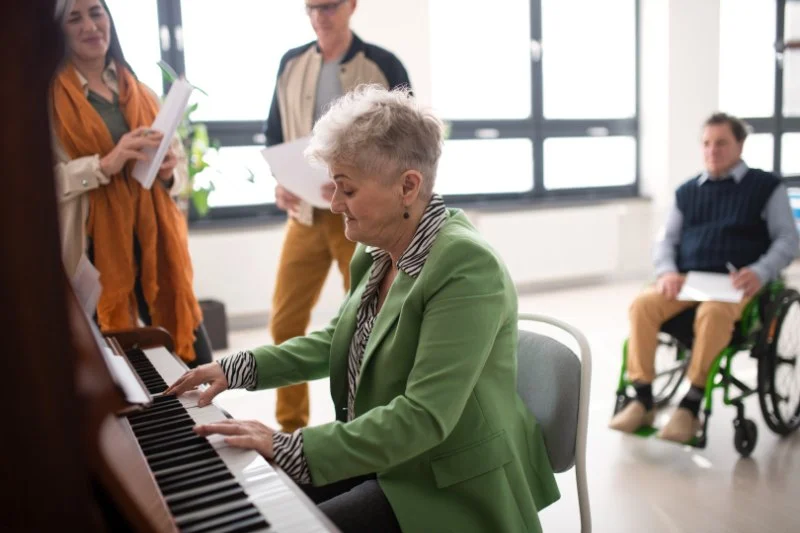
1. Understanding the Benefits of Music for Older Adults
Music is a powerful tool that can promote emotional well-being, cognitive function, and physical health in older adults. Encouraging seniors to express their creativity through music can have a transformative effect, enhancing their quality of life and fostering a sense of accomplishment. From improving memory to reducing stress, music offers a wide range of benefits. Here’s how it can make a difference:
1.1 Emotional and Psychological Well-Being
Music has the ability to evoke emotions and memories. For older adults, music can help alleviate feelings of loneliness, depression, and anxiety. The familiarity of favorite songs or genres can trigger positive memories, offering a sense of comfort and connection. By encouraging music-making, seniors can also express emotions they might otherwise struggle to verbalize.
1.2 Improving Cognitive Function
Engaging in musical activities helps stimulate the brain and can slow cognitive decline in older adults. Playing an instrument or even listening to music can activate areas of the brain associated with memory, attention, and problem-solving. This mental stimulation is crucial for maintaining brain health as we age.
1.3 Physical Health Benefits
Participating in music-making can also provide physical benefits for older adults. Rhythm-based activities such as drumming or dancing can improve motor coordination and enhance fine motor skills. Additionally, singing has been shown to improve lung capacity and respiratory health.
2. Creating Opportunities for Musical Expression
Encouraging older adults to express creativity through music doesn’t require a formal music education. Simple, accessible activities can help them discover the joy of creating music, regardless of their skill level. Here are some ways to make music a part of their routine:
2.1 Offer Access to Simple Instruments
Instruments like tambourines, maracas, or keyboards are easy for older adults to use and provide immediate gratification. These instruments don’t require extensive training, allowing seniors to focus on the joy of playing rather than mastering complicated techniques. Providing a variety of instruments allows individuals to experiment and find what resonates with them.
2.2 Introduce Music Therapy
Music therapy is a professional and structured approach that can be especially beneficial for older adults with cognitive impairments such as dementia or Alzheimer's disease. A licensed music therapist can guide individuals through music-based activities designed to improve communication, memory, and social engagement. Even for those without cognitive challenges, music therapy can offer valuable therapeutic benefits.
2.3 Create Music-Focused Social Events
Hosting social gatherings centered around music—such as sing-alongs, musical story time, or live performances—can encourage older adults to participate and interact with others. These events foster a sense of community, reduce isolation, and provide a fun environment for creative expression. Invite family members or friends to join, making it a shared experience that brings joy and connection.
3. Overcoming Barriers to Musical Expression
Despite the numerous benefits of music, there are challenges that may prevent older adults from engaging in musical activities. However, with the right approach, these barriers can be overcome:
3.1 Addressing Physical Limitations
Some older adults may face physical limitations, such as arthritis or reduced dexterity, that make playing instruments difficult. In these cases, adaptive tools such as specially designed instruments or hand grips can make music-making more accessible. Consider activities like singing or music listening for those who have difficulty with instruments but still want to experience music’s benefits.
3.2 Breaking Down the Fear of Making Mistakes
Older adults may feel self-conscious or fear making mistakes when it comes to creative expression. Reassure them that music is about personal enjoyment, not perfection. Emphasize the fun aspect of music-making and let them know that mistakes are a natural part of the learning process. Creating a supportive, non-judgmental environment encourages them to embrace their creativity.
3.3 Integration of Music into Daily Life
Encourage seniors to incorporate music into their daily routines, such as listening to their favorite songs while doing household chores or singing along with the radio. Music should be an enjoyable and effortless part of life, not a chore. By fostering a love for music that fits into their lifestyle, they’re more likely to continue engaging with it regularly.
4. Inspiring Stories of Older Adults Expressing Creativity Through Music
Real-life stories of older adults finding creative expression through music can be inspiring and motivating. Here are a couple of examples:
4.1 Mary: A 90-Year-Old Singer
Mary, a 90-year-old woman, had always loved singing but stopped after her husband passed away. After attending a local sing-along group, she rediscovered her passion for singing. Not only did she find joy in the music, but she also developed new friendships, helping her combat feelings of loneliness.
4.2 John: A Former Pianist Turns to Composing
John, a retired pianist, was initially hesitant to return to music due to physical limitations caused by arthritis. However, he found that composing music on a computer was a great way to express his creativity without requiring extensive physical movement. John now spends his days composing music that he shares with friends and family, and it has given him a renewed sense of purpose.
5. Conclusion
Encouraging older adults to express creativity through music can provide numerous benefits, from emotional well-being to cognitive health. By offering accessible instruments, creating social opportunities, and addressing barriers to participation, we can help seniors experience the joy and therapeutic effects of music. Whether through music therapy or casual musical activities, fostering creativity in older adults can enhance their quality of life and bring a sense of fulfillment.




 Canaan Home Care5.0 (12 reviews)
 Alexandria Home Care LLC5.0 (4 reviews)
 SYNERGY HomeCare5.0 (43 reviews)
 GrandCare Health Services4.0 (727 reviews)
 Heavenly Care Agency5.0 (14 reviews)
 Amada Senior Care5.0 (1 reviews)
 How to Create a Yearly Wellness Plan for Your Pet
 The Role of Music Therapy in Dementia Care: Enhancing Cognitive and Emotional Well-Being
 Effective Communication Strategies for Dementia Care – Improve Care and Support
 How to Make Bathing and Personal Care a Comfortable Experience
 Strategies for Encouraging Seniors to Engage in Light Household Activities
 How to Create a Cozy and Functional Wellness Room at Home