
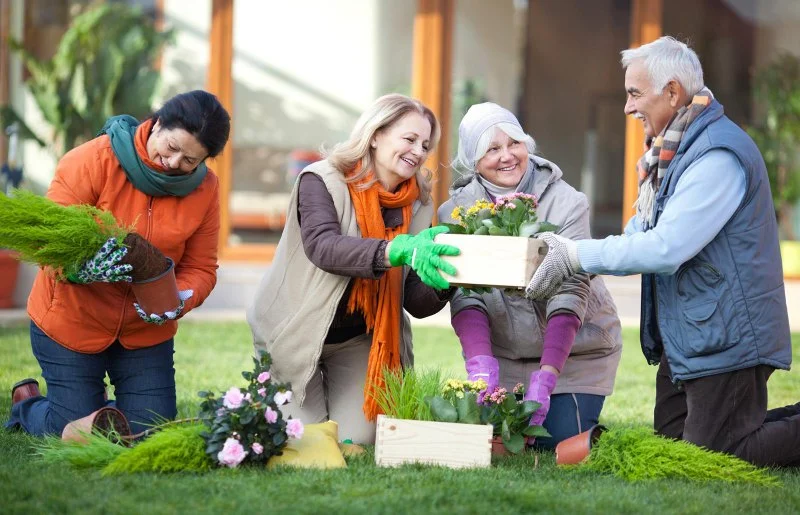
Strategies for Encouraging Seniors to Engage in Light Household Activities
- The Importance of Light Physical Activity for Seniors
- Creating an Inviting Environment for Activity
- Making Household Tasks Enjoyable for Seniors
- Providing Support and Assistance
- Real-Life Stories: How Seniors Thrive with Light Activities
1. The Importance of Light Physical Activity for Seniors
As we age, staying active becomes more important than ever. For seniors, engaging in light household activities not only helps maintain physical health but also promotes mental well-being. Light activities such as folding laundry, sweeping the floor, or organizing books can enhance mobility, strengthen muscles, and improve balance. These tasks also provide a sense of accomplishment and purpose, crucial for seniors who may otherwise experience isolation or a lack of daily structure.
Encouraging seniors to engage in regular light activities is key to preventing the physical decline associated with aging. By incorporating these activities into their daily routine, seniors can increase their flexibility, reduce the risk of falls, and maintain their independence for longer. These activities also contribute to better cardiovascular health, improve joint health, and help prevent the onset of conditions like arthritis or osteoporosis.

Sierra Home Health Care
Los AngelesLos Angeles CountyCalifornia
1063 N Chicago St, Los Angeles, CA 90033, USA
2. Creating an Inviting Environment for Activity
One of the first steps to encouraging seniors to engage in household activities is ensuring their environment is conducive to movement. The environment plays a significant role in fostering independence and activity, particularly in the home setting. Here are some tips on creating a comfortable and motivating space for your senior loved ones:

A New Hope Home Health Care
Los AngelesLos Angeles CountyCalifornia
12444 Victory Blvd #501, North Hollywood, CA 91606, USA
2.1. Clear and Accessible Spaces
Ensure that the home is free from obstacles that might make movement difficult or unsafe. Keep pathways clear of furniture, rugs, or clutter that could cause trips and falls. Place frequently used items within easy reach, reducing the need for bending or stretching. By making the space more navigable, seniors will feel more confident about moving around and participating in daily tasks.
2.2. Use of Comfortable and Supportive Furniture
Invest in comfortable furniture that encourages upright posture and easy transitions between sitting and standing. Chairs with armrests, for instance, can make it easier for seniors to rise and engage in activities without straining their joints. A supportive sofa or armchair can also offer a relaxing spot for breaks between household chores.
2.3. Adequate Lighting
Good lighting is crucial to ensure that seniors can safely navigate their environment. Bright, even lighting reduces the risk of accidents and helps seniors avoid straining their eyes. Make sure that all areas where seniors are expected to perform tasks, like the kitchen or living room, are well-lit to encourage independence.
3. Making Household Tasks Enjoyable for Seniors
While the idea of doing household chores might not be inherently exciting, it’s possible to make these tasks more enjoyable for seniors by adding elements of fun or reward. Here’s how you can turn household activities into positive experiences:
3.1. Turn Tasks into Social Activities
Incorporating social aspects into household chores can make them feel less like a burden. Encourage seniors to do activities with a family member, friend, or even a pet. For example, folding laundry together while chatting, playing music, or even making it a mini-game can help turn chores into bonding time. Having company makes the task more enjoyable and less isolating.
3.2. Offer Positive Reinforcement
Rewarding your senior loved one after completing a task is a simple yet effective way to encourage continued engagement. Praise their efforts and provide small rewards, whether it’s a cup of tea, a favorite snack, or a relaxing activity afterward. Positive reinforcement builds confidence and encourages them to continue with similar tasks in the future.
3.3. Use Task-Specific Tools
Sometimes the difficulty in performing tasks comes from using the wrong tools. Invest in lightweight, ergonomic tools that make tasks like gardening or sweeping easier and more enjoyable. For instance, long-handled dusters or adjustable height cleaning tools can reduce the strain on the back and knees, making tasks more accessible.
4. Providing Support and Assistance
While independence is crucial, seniors may still require support to engage in certain activities, especially if they have mobility or health issues. The right assistance can encourage participation without overwhelming them. Here’s how you can provide appropriate help:
4.1. Supervised Participation
If your senior loved one is reluctant or hesitant to take on household activities, start by supervising them and offering guidance. Gradually increase their independence as they gain confidence. Supervision can also ensure that the activity is being performed safely and correctly.
4.2. Professional Help
If necessary, consider hiring a professional caregiver to assist with household tasks. A caregiver can provide physical help while also encouraging your loved one to do tasks on their own whenever possible. This support will give them a sense of security and motivate them to engage more actively in daily life.
4.3. Adapt Tasks for Physical Limitations
If your loved one has physical limitations, adapt tasks to suit their abilities. For instance, if standing for long periods is difficult, encourage them to do seated activities like organizing drawers or sorting items. Small adjustments can help them participate without feeling overwhelmed by their limitations.
5. Real-Life Stories: How Seniors Thrive with Light Activities
Real-life experiences can offer valuable insight into how seniors can thrive with light household activities. Here are a couple of stories that demonstrate the positive impact of these activities:
Sarah, a 72-year-old grandmother from Florida, struggled with feeling isolated after her husband passed away. However, she began incorporating small daily tasks into her routine, such as arranging her living room, folding laundry, and organizing her books. Slowly, she found herself more energized, motivated, and connected to her surroundings. Sarah reported that not only did she feel physically better, but she also had a renewed sense of purpose and joy.
In another example, John, a retired teacher, initially resisted physical activity due to back pain. His daughter introduced him to light household chores, like washing dishes and sorting mail, that didn’t strain his back. With time, he began to enjoy these activities and even looked forward to tackling small projects. Today, John feels more active, maintains his independence, and has built stronger bonds with his family.





 Preferred Care at Home of Greater Beverly Hills5.0 (1 reviews)
 Arosa Orange County5.0 (22 reviews)
 CarePatrol - Inland Empire5.0 (49 reviews)
 Corona Health Care Center3.0 (24 reviews)
 Happier Home Care4.0 (19 reviews)
 Krista Care LLC3.0 (13 reviews)
 The Impact of Companion Care on Senior Well-Being
 Strategies for Creating a Comfortable and Safe Bedroom Environment
 How to Create Engaging Indoor Activities That Promote Physical Health
 How to Maintain Proper Hygiene and Comfort for Seniors in Home Care
 How to Encourage Seniors to Maintain Social Connections Virtually
 How to Support Seniors in Maintaining a Positive Mindset