

Understanding Behavioral Changes in Dementia
Dementia is a condition that affects cognitive function, often leading to significant memory loss, confusion, and behavioral changes. These changes can be distressing for both the patient and their caregivers. As dementia progresses, patients may experience mood swings, aggression, confusion, and other behaviors that can make daily life challenging.
It is important for caregivers and family members to understand these behavioral changes as a part of the dementia process, not as intentional actions by the patient. By doing so, they can better manage the symptoms and provide the patient with compassionate care.

Regency Palms Long Beach
Long BeachLos Angeles CountyCalifornia
117 E 8th St, Long Beach, CA 90813, USA
Common Behavioral Changes in Dementia Patients
There are several common behavioral changes that dementia patients may exhibit, including:
1. Aggression and Irritability: Many dementia patients become agitated, aggressive, or irritable. This can be triggered by confusion, frustration, or discomfort. Caregivers may notice outbursts of anger or hostility, even in familiar situations.
2. Anxiety and Restlessness: Anxiety is another common behavior in dementia patients. They may feel restless, uneasy, or nervous, especially in unfamiliar environments or during changes in their routine.
3. Sundowning: Sundowning refers to increased confusion and agitation that typically occurs in the late afternoon or evening. It is common in patients with Alzheimer's and other forms of dementia, and can lead to heightened symptoms of confusion, pacing, and aggression.
4. Repetitive Behaviors: Patients may repeat words, actions, or questions. This behavior can stem from memory loss or a need for reassurance. While repetitive behavior can be frustrating for caregivers, it is important to approach it with patience.
5. Withdrawal and Apathy: Some dementia patients may become withdrawn, losing interest in social interactions or activities they once enjoyed. This can be a response to cognitive decline, but it may also be a symptom of depression, which is common in dementia.
Strategies for Managing Behavioral Changes
Managing the behavioral changes in dementia patients requires a combination of strategies. These strategies aim to reduce distress, promote comfort, and maintain the dignity of the patient:
1. Create a Structured Environment: A consistent daily routine helps reduce anxiety and confusion in dementia patients. Establishing regular times for meals, sleep, and activities can create a sense of stability and predictability.
2. Use Calm and Reassuring Communication: When a patient becomes agitated or confused, approach them calmly. Use simple language and maintain a reassuring tone. Avoid arguing or correcting them, as this can escalate the situation.
3. Manage Triggers and Stimuli: Identify and minimize environmental triggers that may cause anxiety or agitation. This may include loud noises, crowded spaces, or abrupt changes in routine. Additionally, create a peaceful and safe space for the patient to retreat to when they feel overwhelmed.
4. Provide Physical Comfort: Many behavioral changes in dementia patients are related to physical discomfort, such as pain, hunger, or fatigue. Regularly assess the patient’s physical needs and ensure they are comfortable. Simple actions like adjusting seating, providing a warm blanket, or addressing hunger can help calm the patient.
5. Engage in Gentle Activities: Encourage activities that promote relaxation and mental engagement. These may include simple exercises, art, music, or puzzles. These activities can reduce restlessness and improve the patient’s mood.
Role of Caregivers in Managing Dementia Behaviors
Caregivers play a crucial role in managing the behavioral changes of dementia patients. Their ability to respond with patience, empathy, and understanding can make a significant difference in the patient’s quality of life. Here are a few tips for caregivers:
1. Take Care of Yourself: Caregiving can be emotionally and physically demanding. It is essential for caregivers to prioritize their own health and well-being to provide the best care for their loved ones. Seek support from family members, friends, or support groups to avoid burnout.
2. Educate Yourself: Understanding dementia and its effects on behavior is key to providing compassionate care. Caregivers should seek out information and resources about dementia care to better understand what their loved one is experiencing.
3. Collaborate with Health Professionals: Work closely with doctors, nurses, and other healthcare professionals to manage the patient’s symptoms. They can offer advice on medications, therapies, and strategies to handle behavioral changes.
Real-Life Experiences: Managing Dementia Behaviors
John, a caregiver for his father with Alzheimer’s disease, shares his experience managing behavioral changes. “At first, my dad’s aggressive outbursts were very difficult to manage. But as I learned more about dementia, I realized that his behavior was often due to confusion and frustration. By sticking to a routine and offering him reassurance, the outbursts became less frequent,” John explains.
His story highlights the importance of understanding the root causes of behavioral changes and the positive impact that patience and structure can have on dementia patients.






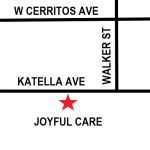 Joyful Care Caregiving Services4.0 (15 reviews)
 Peacewell Home Care5.0 (2 reviews)
 Premier Senior Care, LLC0.0 (0 reviews)
 Cornerstone Caregiving0.0 (0 reviews)
 Global Home Healthcare Service Inc.5.0 (2 reviews)
 A1 Life Care Referral Agency0.0 (0 reviews)
 Choosing Between Home Care and Assisted Living: What’s Best for Your Loved One?
 Stress-Free Diet Support Strategies for Seniors at Home
 How to Support a Loved One with Alzheimer’s Disease at Home
 Tips for Encouraging Safe and Fun Outdoor Activities for Aging Loved Ones | HomeCare Hub
 Financial Planning for Aging: Preparing for Future Care Needs
 The Role of Wearable Devices in Monitoring Senior Health