
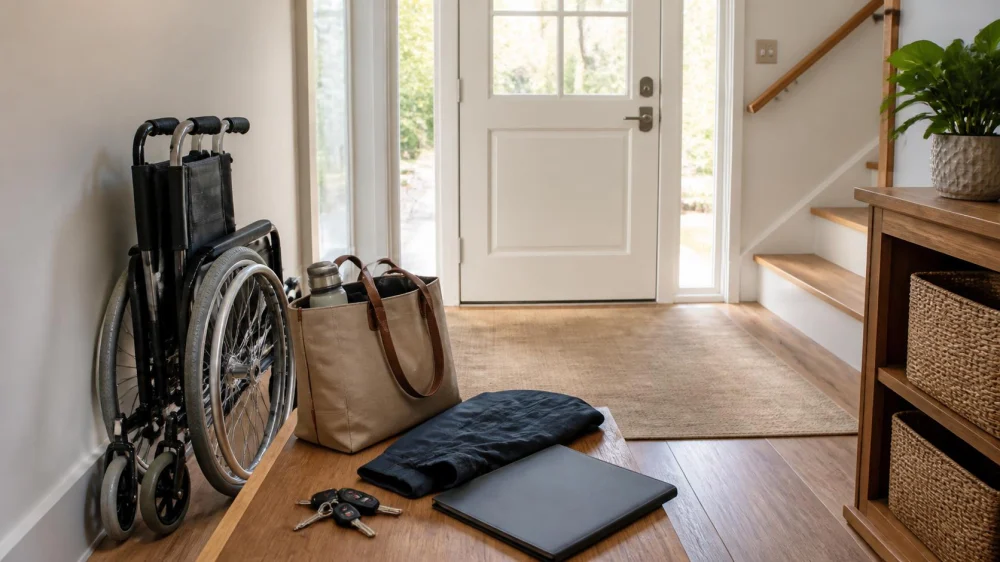
Home Care Medical Appointment Transport: Plan Mobility, Records, and Return
On this page
Quick answer
Plan appointment transport with the person receiving care, not around them. Confirm consent, destination, pickup, vehicle, mobility equipment, transfer method, escort rules, accessibility, weather, parking, and the return-home plan. Bring only current records and medicines the clinic requests, protect privacy, and allow extra time without rushing transfers. If health or mobility changes before departure, call the clinic and care team rather than improvising unsafe transport.

ZEN Home Health Care
BurbankLos Angeles CountyCalifornia
4119 W Burbank Blvd Ste 155, Burbank, CA 91505, USA
Why it matters
A routine appointment includes multiple handoffs: home to vehicle, arrival, clinic movement, communication, discharge, and return. Missed details can cause falls, delays, lost equipment, privacy breaches, or incomplete follow-up.
This United States caregiving guide is general. Medical needs, decision-making authority, transport services, insurance, accessibility law, vehicle restraints, mobility devices, and agency scope vary. The individual care plan and clinicians control.

Brand Home Health Care
GlendaleLos Angeles CountyCalifornia
230 N Maryland Ave #106, Glendale, CA 91206, USA
Practical checklist
- Confirm the person's agreement, appointment details, purpose, and required arrival time.
- Verify transport provider, driver, vehicle accessibility, cost, and cancellation terms.
- Follow the care plan for transfers, wheelchair securement, oxygen, and other equipment.
- Pack identification, insurance information, current medicine list, questions, and requested records.
- Bring weather protection, water or food only when allowed, and backup supplies.
- Confirm who may receive information and join the visit.
- Plan return pickup, home entry, meals, medicines, and after-visit support.
Step-by-step plan
- Call the clinic and transport provider to verify addresses, entrances, escort rules, accessibility, and timing.
- Review the person's mobility and symptoms on departure day against the established care plan.
- Clear the home route, use trained assistance and prescribed equipment, and never rush a transfer.
- Secure mobility devices and belongings using the transport provider's approved method.
- At the visit, support communication while directing questions to the person whenever possible.
- Before leaving, obtain the after-visit summary, changed instructions, prescriptions, tests, and follow-up contacts.
- On return, complete the home handoff and update the care record and authorized team promptly.
Keep booking details, driver or service, pickup times, mobility equipment, documents carried, authorized companion, after-visit summary, changed instructions, follow-up appointments, expenses, and return handoff.
Limits and warning signs
A familiar passenger vehicle is not automatically suitable for every transfer or wheelchair. A caregiver should not interpret new clinical instructions beyond their role or change medicines without authorization.
Call the clinic or care supervisor for new symptoms, changed mobility, unavailable accessible transport, or unclear discharge instructions. Use emergency services for severe or rapidly worsening symptoms rather than routine transport.
Frequently asked questions
How early should transport arrive?
Build in time for safe transfers, loading, traffic, check-in, and the provider's requested arrival window.
Who should carry the records?
Use one secure folder or approved digital method and give access only to authorized people.
Can the caregiver answer every question?
Support communication, but center the person's own voice and consent whenever possible.
What if the return ride is late?
Use the provider's escalation contact, keep the person in a safe staffed location, and update the home handoff.
Sources and evidence
The guide applies person-centered consent, safe-transfer, accessible-transport, privacy, medication-reconciliation, and care-transition principles: plan every handoff, use trained assistance, carry current records, and document follow-up.
Conclusion and next steps
Confirm consent, accessibility, transfer needs, records, pickup, and return coverage. Allow enough time for safe movement, collect written after-visit instructions, and complete the home handoff.






 AHMC healthcare4.0 (4 reviews)
 Gravatis Home Health Care5.0 (4 reviews)
 XCEL Home Health Care, Inc.0.0 (0 reviews)
 Interim HealthCare of Beverly Hills5.0 (2 reviews)
 Home Guardian Angels5.0 (2 reviews)
 Western States Home Health Care Agency2.0 (8 reviews)
 Tips for Making Meal Times Social and Enjoyable for Aging Loved Ones
 How to Create a Dementia-Friendly Home Environment
 How Technology is Improving Medication Management for Seniors
 Strategies for Making Home Care Activities Enjoyable and Rewarding
 How to Make Home Environments More Stimulating and Engaging for Seniors
 How to Safely Introduce Technology for Entertainment and Communication